JobGoRound.com Job Blog

Interviewing Wardrobe Tips

March 1st, 2010

interview-dressCongratulations, you got a call and have an interview! There are so many things to do to prepare. You’ve done your important homework on the company. You have your resume, with extra copies just in case. You know what time to arrive and how to get there. You’ve gone over practice interview questions and rehearsed your eye contact and handshake. What else could there possibly be to think about? You have to consider your wardrobe!

It seems like a no-brainer, but what you wear to an interview is going to be part of that first impression you give to your potential employer, and you want that first impression to be positive. Dressing for success and dressing for the job you want are more than just silly sayings. They happen to be true! But you don’t want to go overboard (or under board, for that matter). You don’t want to overdress and you especially don’t want to under dress. Go for neutral. You should look nice and well groomed but not overstated or inappropriate. A suit and tie or, at the minimum, a blazer, slacks and a tie are good choices for men. Think on the conservative end when choosing suit, shirt and tie color. Unless you’re interviewing in a field that embraces a more expressive style, keep it simple. For women it’s always acceptable to wear a blazer over a blouse with pants or a skirt. Women should also keep it simple. Avoid elaborate hair or makeup and save your tight fitting clothes for your personal time. Also stick with simple jewelry. Again, unless you’re looking for a job in an industry where colorful or flashy clothes are the norm, keep it simple and tasteful with a slant toward the more conservative.

When preparing for that all-important job interview, don’t overlook the importance of wardrobe. Making a good first impression is important, and how you look will have a big impact. Keep in mind when choosing your interview outfit that your clothing should make a good impression, but should not detract from you. Keep it tasteful and simple and you’ll be on your way to looking great!

Bookmark and Share

Resumes: One is Not Enough

February 17th, 2010

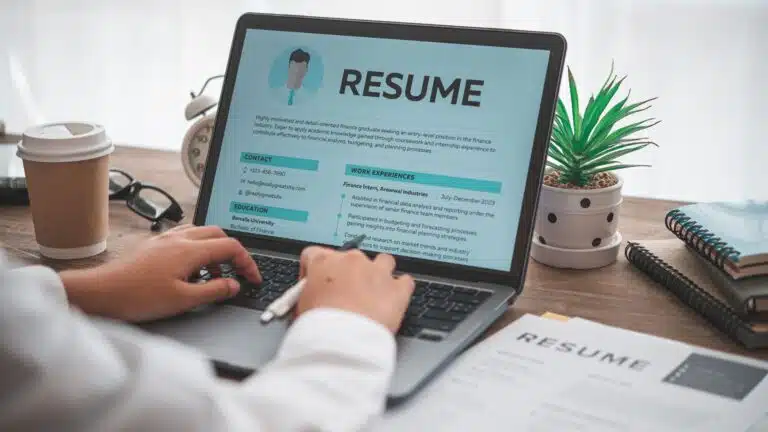
sample_resumeWriting a good resume is a huge undertaking. Summarizing your work and educational experience in a way that can market you to potential employees can be daunting. And it can be time consuming! But while you’re taking on the challenge, do it again. Having more than one resume can greatly improve your job hunting prospects, as well as making it easier when a customized resume is needed.

One resume is great if you’re applying for the same kind of position at the same kind of company doing the same thing every time you put your resume out there. This isn’t likely the case. When jobs and companies are similar, one resume will work. However, if you apply for positions in different industries or different types of departments within a company you need to have a slightly different focus or slant to your resume. A resume for a marketing coordinator at a telecommunications company is going to look different than a resume for a marketing coordinator at a clothing manufacturer. Focus your skills and experience on what the industry demands. When applying at tech companies highlight your tech skills and list your technical aptitudes and experience. When applying for positions at communications companies, present the skills that relate to that industry at the top of the list. You want to capture the attention of your prospective employer without making them wade through a list of skills that don’t apply to the position they’re trying to fill.

Although writing one resume can be daunting, and writing two can seem like a monumental task, take the time to make at least two or three different versions of your resume. Having a focus that is relevant to the market in which you’d like to be employed can benefit you in the long run.

Get more resume writing tips.

Bookmark and Share

Using Social Networking Sites in Your Job Search

February 9th, 2010

social_mediaIt seems like everyone has a Facebook profile, a My Space page, or a Twitter account these days. Most people use these solely for social contact and networking, to keep in touch with friends, family and former colleagues. There are ways to take advantage of these sites when you’re job hunting. Since many jobs, some reports say up to 70%, are found through networking, using some of these social networking sites to find a job makes perfect sense. Social networking sites can be an effective part of your job search.

Your Profile

Many companies and corporate recruiters will search professional networking sites looking for candidates for positions they have open. Having a complete profile is important; it can be one of the ways employers find you. Use keywords and related information in your profile. Have a real and professional looking photo of you, not a cartoon character, for your profile picture. Post links to your blog or a website that contains samples of your work so companies and recruiters can quickly see what you’re about and what your skills are. Make sure your profile is clean and looks professional. Even though you may use it primarily for a social tool, making it appealing to prospective employers can pay off when they find you and your profile. It’s also important to have a complete profile before you start to do any searches or contact/follow anyone.

Contact People

Searching and finding other people is the whole purpose of these networking sites. You can use them to find other people from companies you are interested in working for using the search tools. You can also search for corporate groups and pages that are in your field. You can join groups related to your career and look through the members and people and contact them. This is where the value of these networking sites comes in. These groups will connect you with others in your field that you can network with. You can meet people you have never had access to before, and knowing more people increases your chances of finding a job.

Other Tips

Use your friends! Write postings that indicate you’re looking for a job and in what field. Chances are someone knows someone who can introduce you or refer you or recommend you. You might even know someone who knows of available positions that they can give you the information on.

Check the job boards on the sites. Most of these networking sites have job boards or marketplace information where job postings and information can be found. Check it regularly for anything new that might fit what you’re looking for.

Don’t join more networking sites than you can keep up with. And don’t spend all of your time on these sites; remember to keep some time for job hunting the old fashioned way. Use the social networking sites to your advantage. After all, it’s not what you know it’s who you know!

Bookmark and Share

Job Hunting? Don’t Forget to Follow-Up!

February 1st, 2010

followupGreat job! You submitted the application, you got the callback, and you had the interview. Now you just have to wait for a call, right? Wrong! You’re not done yet. You have one more crucial step before sitting back and waiting to hear from a potential employer. Don’t forget to follow-up!

Though hand written notes used to be commonplace, emails have taken their place. Not only is it essential to write a thank you note to your interviewer, you should also include a note to the recruiter and/or the HR representative you worked with before going to the interview, if applicable. And just a note of thanks is not enough. Many candidates will write and send a quick note of thanks to their interviewer. This is great, but to really set yourself apart, consider including a few other elements. Make reference to the conversation that took place in the interview. Relate elements of the questioning to your skills and experience that may not have come up when you were in front of the panel. And if possible, even include links to relevant information or articles that pertain to the topics of discussion. And most important, thank them for their time and indicate that you look forward to hearing from them.

Follow-up after an interview is essential. Letting a hiring manager know you appreciate their time will keep you in the forefront of their mind when they consider candidates. But do more than thank them! Highlight elements of the interview that went especially well and make reference to items that may not have been covered in the interview. Keep it brief, but make an impact with a follow-up email.

Bookmark and Share

Custom Fit Your Cover Letters

January 25th, 2010

When you’re job hunting you know that giving a good first impression is very important. One way to do this is by custom fitting your cover letters for each job you’re applying for. It’s a great use of your time and a great way to show your prospective employer that you were paying attention to the details of the job.

Your cover letter is going to give the employer the most instant information when they’re scanning for qualified applicants. Most employers are not going to go through your resume until they know you’re one of their candidates, so make sure your cover letter gives them the most important facts about you and your skills. Start with basic information for your cover letter. Introduce yourself and explain how your expertise fits the employer’s needs.  Then introduce specifics that fit what they’re looking for including your proficiencies, years of experience, and technical knowledge. If you have a job posting, refer to it and include bullet points that match the traits they’re looking for. Then sell yourself! Tell them why they should hire you and why your qualifications make you the perfect candidate.

Cover letters are extremely important, but keep them simple and keep them specific. They are the first impression an employer will have of you. Make sure they’re accurate and custom fit for each job you apply for.

Try using a sample cover letter to make writing your own letter faster and easier.

Bookmark and Share

Job Search Blog